


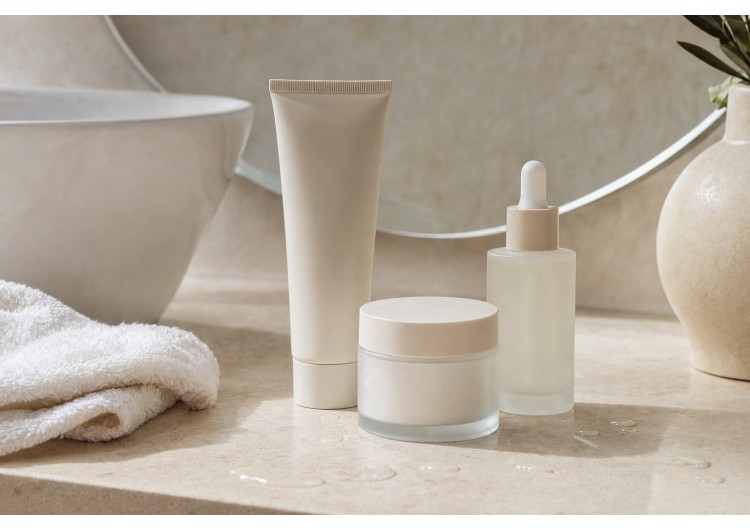
A useful face routine does not need a long list of products. Three consistent steps can provide a practical foundation: cleanse without stripping, moisturize according to your skin’s needs and protect it from ultraviolet radiation. This guide explains how to choose comfortable textures, organize morning and evening care, use sensible amounts and avoid common mistakes. The aim is not to pursue instant perfection, but to create a balanced ritual that is easy to understand, pleasant to use and realistic enough to maintain every day.
Why choose a simple face routine?
With so many serums, exfoliants, masks and targeted formulas available, it can be difficult to identify what skin actually needs. A short routine makes reactions easier to observe, reduces unnecessary combinations and limits the discomfort that can come from layering too many products at once.
The three most universal foundations are cleansing, moisturizing and sun protection. Cleansing removes surface impurities, moisturizing supports comfort and flexibility, and sunscreen limits everyday exposure to ultraviolet rays. The same structure can suit many skin profiles when textures and frequency are adjusted appropriately.
Step 1: cleanse without stripping
Choosing a suitable cleanser
A cleanser should remove sweat, excess oil, particles and product residue without leaving lasting tightness. Lightweight gels are often preferred by combination or oily skin, while creams, milks and balms may feel more comfortable on dry skin. This is not a strict rule: how the skin feels after rinsing is a more useful guide than the product category alone.
Use roughly a hazelnut-sized amount and massage it over damp skin for about thirty seconds. Rinse with lukewarm water and pat the face dry with a clean towel. Very hot water and vigorous rubbing can make skin feel more uncomfortable.
Should you cleanse morning and night?
Evening cleansing removes makeup, sunscreen, pollution and debris collected during the day. If makeup is long-wearing or sunscreen is water-resistant, an oil, balm or micellar water can be used first, followed by a rinse-off cleanser. Double cleansing is not a daily requirement when one gentle cleanse does the job.
Morning needs vary. Oily skin or skin that has become sweaty overnight may benefit from a mild cleanser. Dry or reactive skin may prefer a lukewarm-water rinse. After cleansing, the face should not feel rough, hot or excessively tight.
Step 2: moisturize according to your needs
What a moisturizer does
Moisturizing is not simply about adding water. A moisturizer generally combines ingredients that attract water, such as glycerin, with components that soften the skin’s surface and help limit moisture loss. Ceramides, squalane, selected plant oils and butters can all contribute to the feel of a formula.
A gel-cream can suit people who dislike rich finishes. A more cushioning emulsion may feel better when skin is tight, during cold weather or in a dry indoor environment. Oily skin can also feel dehydrated, so automatically skipping moisturizer is not always helpful. A light, non-sticky texture may be a better option.
Applying moisturizer well
Apply moisturizer after cleansing while skin is slightly damp but not wet. One or two small amounts are generally enough for the face and neck. If your skin stays comfortable for several hours, the amount and texture are probably suitable. If tightness returns quickly, try a richer formula or use a little more.
In the morning, allow the moisturizer to settle briefly before sunscreen. At night, it can be the final step. Separate day and night creams are optional rather than essential, although you may prefer a lighter daytime texture and a more comforting one at night.
Step 3: protect every morning
Understanding sunscreen’s role
Sunscreen is the final step in a morning skin care routine. It helps limit exposure to UVA and UVB rays during commuting, outdoor activities or time spent near windows. Choose broad-spectrum protection with a rating suited to your exposure. SPF 30 is a common baseline, while SPF 50 or 50+ is particularly relevant in strong sunlight, during outdoor activities or when skin is highly sun-sensitive.
The best sunscreen is one you can apply generously and wear consistently. Fluids, creams, gels and tinted options can all work. Consider how the texture sits over moisturizer and under makeup. If sunscreen provides enough moisture and comfort, some people can skip a separate morning moisturizer.
Amount and reapplication
Applying a very thin layer lowers the protection achieved. For the face and neck, a practical reference is two lines of product along the index and middle fingers, adjusted for the fluidity of the formula and the area covered. Remember the ears, hairline and sides of the neck.
Reapply during prolonged exposure, especially after swimming, sweating or towel drying. Protective clothing, a hat and shade complement sunscreen use. No sunscreen blocks every ray or makes it advisable to extend time in direct sun deliberately.
Organizing morning and evening care
Morning
- Use a gentle cleanser or rinse, depending on comfort.
- Apply moisturizer if needed.
- Finish with sunscreen before makeup.
Evening
- Remove makeup or use a first cleanse when necessary.
- Wash with a gentle rinse-off cleanser and lukewarm water.
- Apply moisturizer to the face and neck.
Long waiting periods between steps are usually unnecessary. If products pill, try using less, allow each layer to settle for a moment or check whether the textures work well together.
How to adapt without overcomplicating
Begin with the three essentials for two to four weeks. This gives you time to assess comfort, ease of use and consistency. Add any optional product one at a time and only when it has a clear purpose. A hydrating serum, for example, remains optional if your moisturizer already feels sufficient.
When trying a new formula, testing it on a small area first may help identify an unwanted reaction. Stop using the product if persistent redness, itching, burning or significant discomfort occurs. Seek guidance from a dermatologist or health professional if symptoms continue or if you have a known skin condition.
Avoid replacing every product at once, as this makes the source of a reaction difficult to identify. Consistency often matters more than the number of steps. A short routine used daily is more realistic than a complicated ritual that is quickly abandoned.
Common mistakes to avoid
- Cleansing too often or aiming for a squeaky-clean feeling.
- Using very hot water or rubbing with a rough towel.
- Skipping moisturizer solely because the skin produces oil.
- Applying only a token amount of sunscreen.
- Introducing several new products at the same time.
- Changing the entire routine every week to follow trends.
Key takeaways
- Gentle cleansing should leave skin clean and comfortable, without lasting tightness.
- Choose moisturizer according to the comfort and texture you prefer.
- Apply sunscreen every morning as the last skin care step and reapply according to exposure.
- A simple, consistent routine adjusted gradually is easier to understand and maintain.